Electricity,
a resource that is widely available in modern society, was once a luxury for the
people of Ulu Baram, Miri in the northern region of Sarawak, Malaysia. In April
2018, LONGi
Solar Kuching donated 38pcs high efficiency monocrystalline modules to
the Penan settlements in Ulu Baram in a ceremony there. Present were The Right
Honorable Datuk Patinggi (Dr) Abang Haji Abdul Rahman Zohari bin Tun Datuk
Abang Haji Openg, Chief Minister of Sarawak, Mr. Zhong Baoshen, Chairman of
LONGi Group, Mr. Kelvin Wan, founder of Kuching Hope Place, and other state government
ministers. Since the commissioning of the PV plant, residents of the area are
enjoying a life improved by sale, reliable and green solar energy.
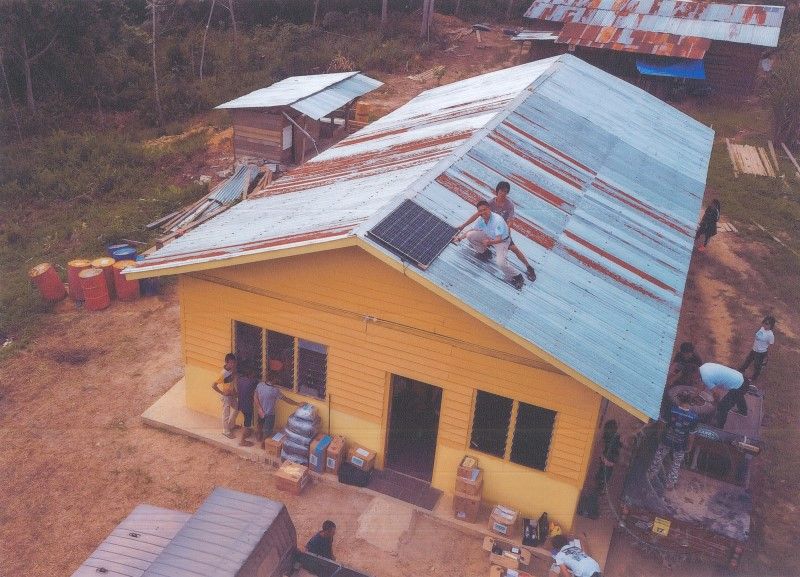
Ulu
Baram is located in the inland, with scarce food and health resources. It lags more
developed cities in Malaysia cities in transportation, water, electricity and
other infrastructure. Mr. SJ Ngieng, CEO of LONGi
Solar Kuching, ardently supported Kuching
Hope Place to relieve the region’s electricity shortage. Thereafter, respective
departments of LONGi
Solar Kuching, from the CEO office to the Planning Team and
Logistics Team, were in elevated spirits to ensure the modules reach Ulu Baram.
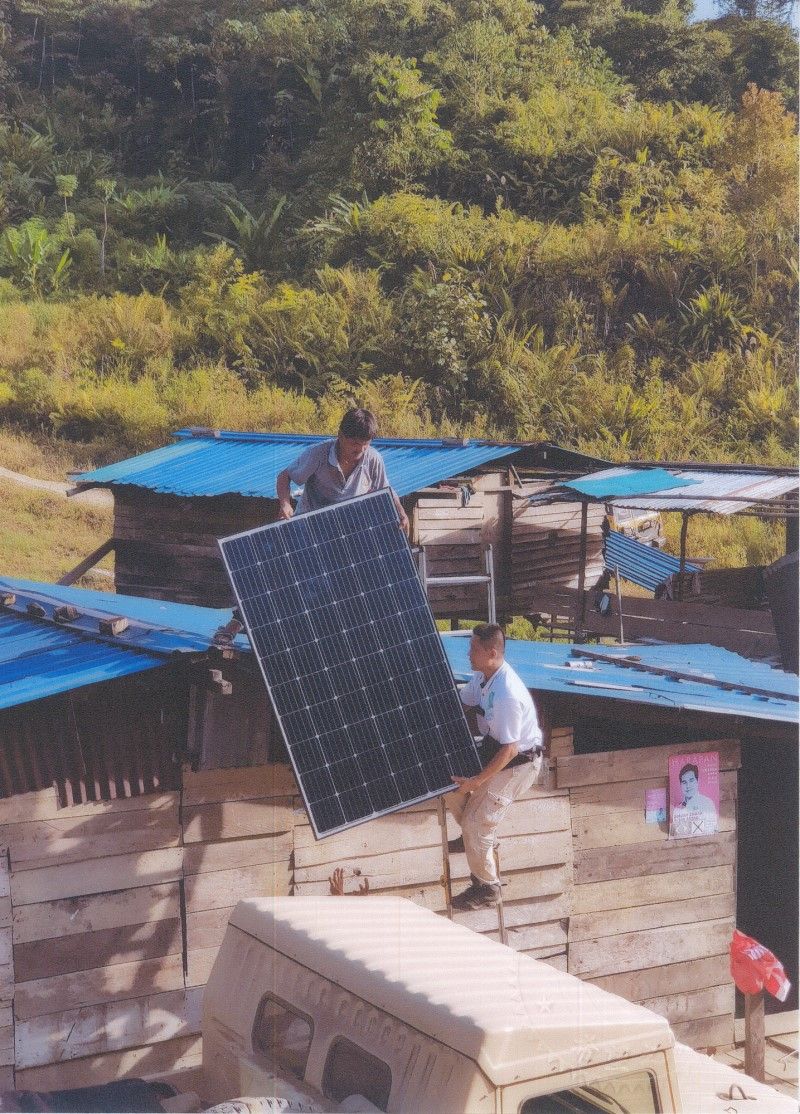
Together
with Hope Place, LONGi
Solar Kuching completed the transportation and installation of
the modules. The road was muddy, without traffic rules, with only trees are
marked with flags to direct the route to different villages. Despite these, the
team successfully delivered the modules to Ulu Baram, and brought long-awaited energy
to the five villages of Long Seridan, Long Selulung, Long Meraan, Long Si’ang, and
Long Rudin.?
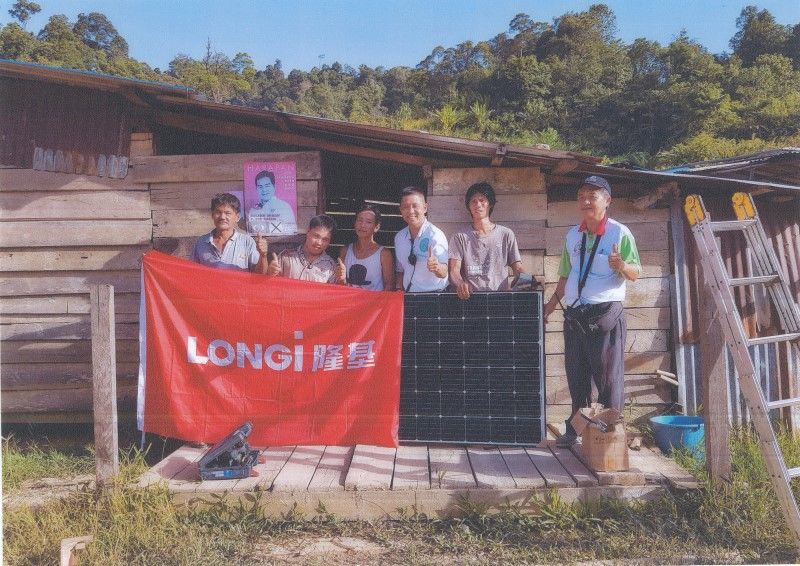
This
initiative is one of many occasions for LONGi
Solar to meet its mission - utilizing
solar energy, building a green world. As a leading brand in the global
photovoltaic industry, LONGi
Solar actively fulfills our corporate social
responsibility to create a green world. LONGi
Solar is honored to work
with the Sarawak state government and Hope Place in providing photovoltaic modules
so that the resource scarce regions can be filled with photoelectric warmth.?
 Global English